 Captables
Precision Neuroscience builds a thin electrode array that surgeons place on the brain’s surface to map activity; its longer-term system is meant to translate those signals into commands for digital devices. The company said it closed a $250 million Series D on September 24 to expand clinical work, continue FDA review and prepare the Layer 7 platform for commercialization.
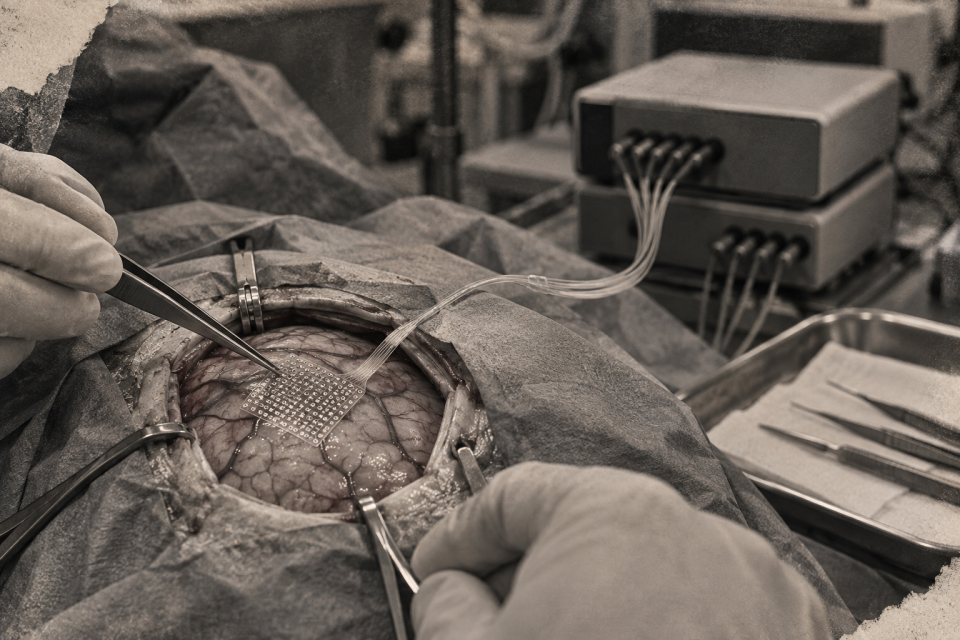
Layer 7 is thinner than a human hair and carries 1,024 electrodes on an array about the size of a postage stamp. Surgeons insert it through a small slit in the skull, and the flexible sheet rests on the cortex rather than using electrodes that penetrate brain tissue. That surface placement is the central design contrast with more invasive systems such as Neuralink’s.
The regulatory position is narrower than the financing headline might suggest. FDA clearance obtained in 2025 covers implantation for up to 30 days and lets Precision sell the array for brain mapping during operations. A longer-term brain-computer interface remains in development.
In early studies, doctors placed the device temporarily during procedures including brain-tumor removal. MedTech Dive reported 37 patients by April 2025; Precision now says it has completed more than 100 patient procedures across 18 institutions. The company says those recordings can help train algorithms for functions such as moving a robotic limb.
Precision is also addressing the manufacturing and operating-room integration needed to bring the technology to market. It owns a Texas facility that makes its electrode arrays, while a partnership with Medtronic is intended to integrate Layer 7 with an established neurosurgical platform.
Pershing Square, the Ackman Oxman Institute and an undisclosed life-sciences investment fund co-led the round, which lifts Precision’s total capital raised to $430 million. The company said the money will support its clinical program, the next stages of FDA review and the infrastructure needed to commercialize Layer 7.
 Captables
 Captables
 Captables